

Risks of Buying Imported Tropical Fish – What U.S. Buyers Must Know
Buying tropical fish from overseas can offer access to rare bloodlines, unique coloration, and competitive pricing. However, importing live fish into the United States also involves significant legal, biological, and financial risks that buyers must clearly understand before making a decision.
This guide from PNPV Fish House explains the real risks of buying tropical fish from abroad and how U.S. hobbyists and collectors can protect themselves.
1. Legal & Regulatory Risks (Highest Priority)

Importing live fish into the U.S. is strictly regulated.
Mandatory Requirements
Buyers or importers must comply with:
-
U.S. Fish & Wildlife Service (USFWS) Import License
-
USFWS Form 3-177 (Declaration for Importation)
-
Customs clearance at designated inspection ports
Failure to comply may result in:
-
Confiscation or destruction of the fish
-
Heavy fines
-
Import bans for repeat violations
📌 Most losses during import happen at customs—not during shipping.
2. Health & Stress Risks During Transport


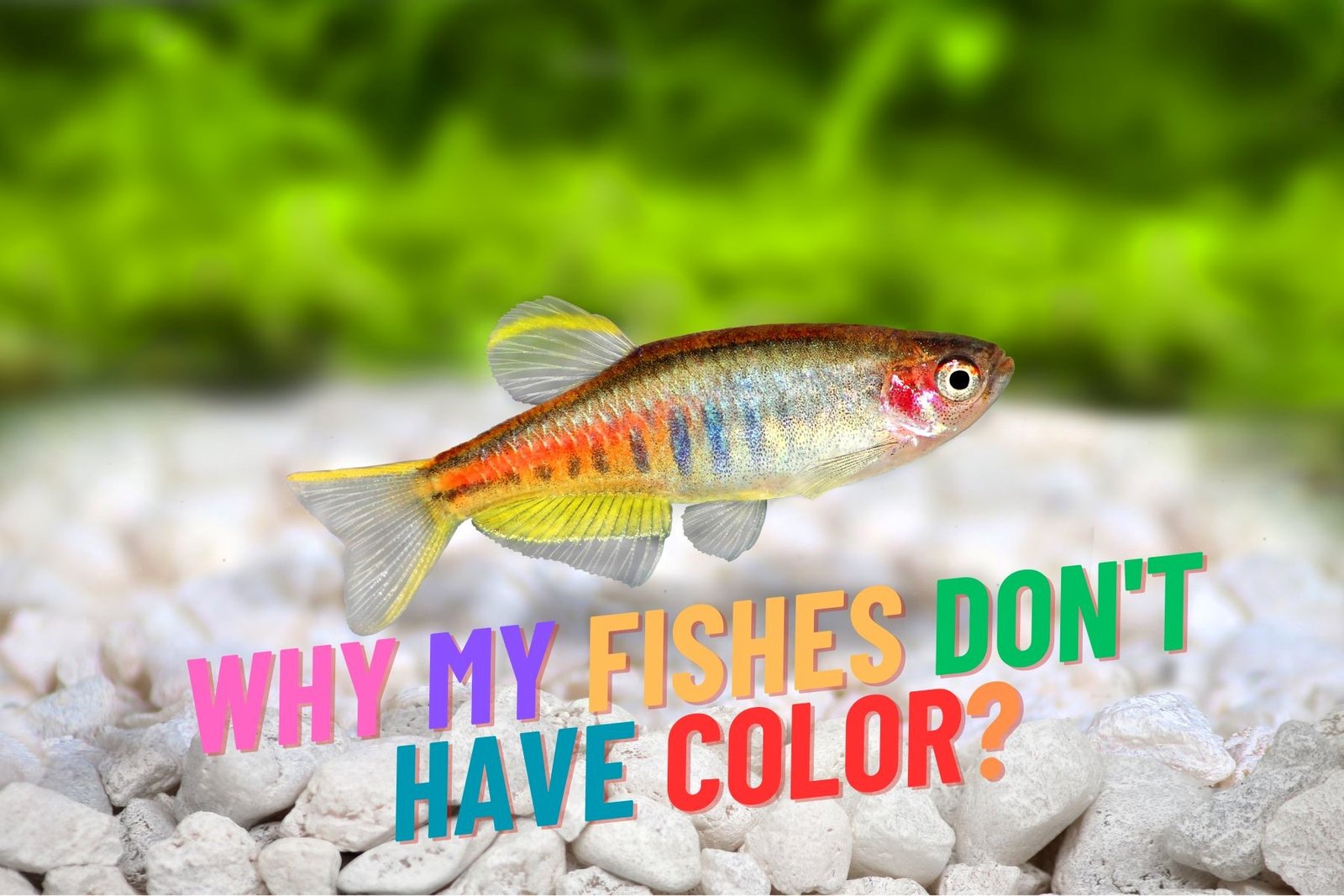
International shipping exposes fish to extreme stress due to:
-
Long transit times (24–72+ hours)
-
Temperature fluctuations
-
Oxygen depletion
-
Ammonia buildup
Common outcomes include:
-
Color fading
-
Appetite loss
-
Immune suppression
-
Delayed mortality
Fish may appear “alive on arrival” but decline rapidly within the first week.
3. Disease & Biosecurity Risks
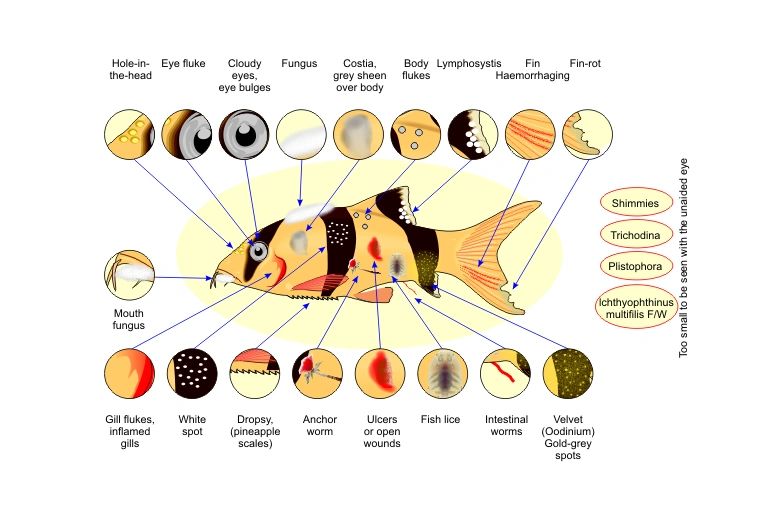

Imported fish often carry pathogens that may not be visible at arrival.
Common Issues
-
External parasites
-
Internal protozoa
-
Bacterial infections
-
Fungal spores
Without proper quarantine, one imported fish can:
-
Infect an entire aquarium system
-
Cause losses far exceeding the value of the imported fish
📌 In the U.S., quarantine is not optional—it is essential.
4. Misrepresentation & Quality Risk


International purchases rely heavily on:
-
Photos
-
Videos
-
Seller descriptions
Potential risks:
-
Edited or outdated media
-
Size or age discrepancies
-
Incorrect strain or bloodline claims
-
Gender misidentification
Once the fish enters the U.S., returns are not possible.
5. Shipping & Climate Risks

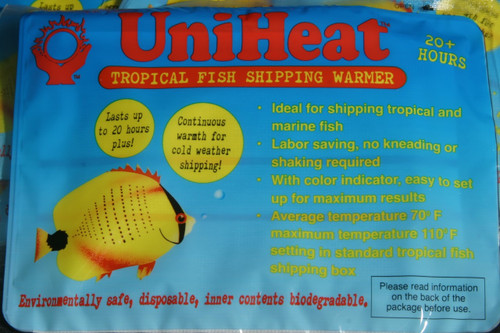

Weather conditions play a critical role:
-
Winter: cold shock, heat pack failure
-
Summer: overheating, oxygen collapse
Additional risks include:
-
Flight delays
-
Customs holds
-
Missed inspections
Even professional packing cannot fully eliminate these variables.
6. Financial & Policy Risks


Many buyers underestimate total costs.
Hidden Expenses
-
Inspection fees
-
Customs brokerage
-
Airport handling charges
-
Emergency losses (DOA or post-arrival death)
In most cases:
-
Sellers do not guarantee survival after customs
-
DOA policies are limited or nonexistent
Total cost may reach 1.5–2× the fish’s listed price.
7. How to Reduce Import Risks


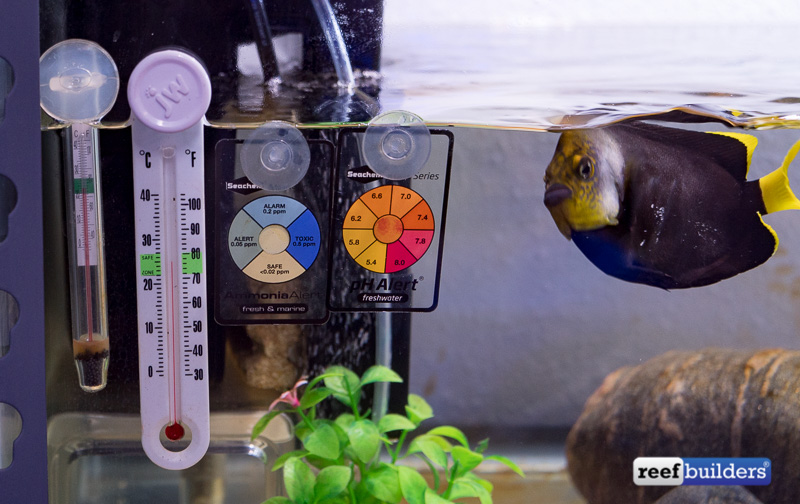
If importing is necessary, buyers should:
-
Work only with exporters experienced in U.S. shipments
-
Request real-time videos
-
Start with small test orders
-
Prepare a quarantine tank (14–21 days)
-
Keep essential medications available
8. Why Many U.S. Buyers Choose Domestic Sources

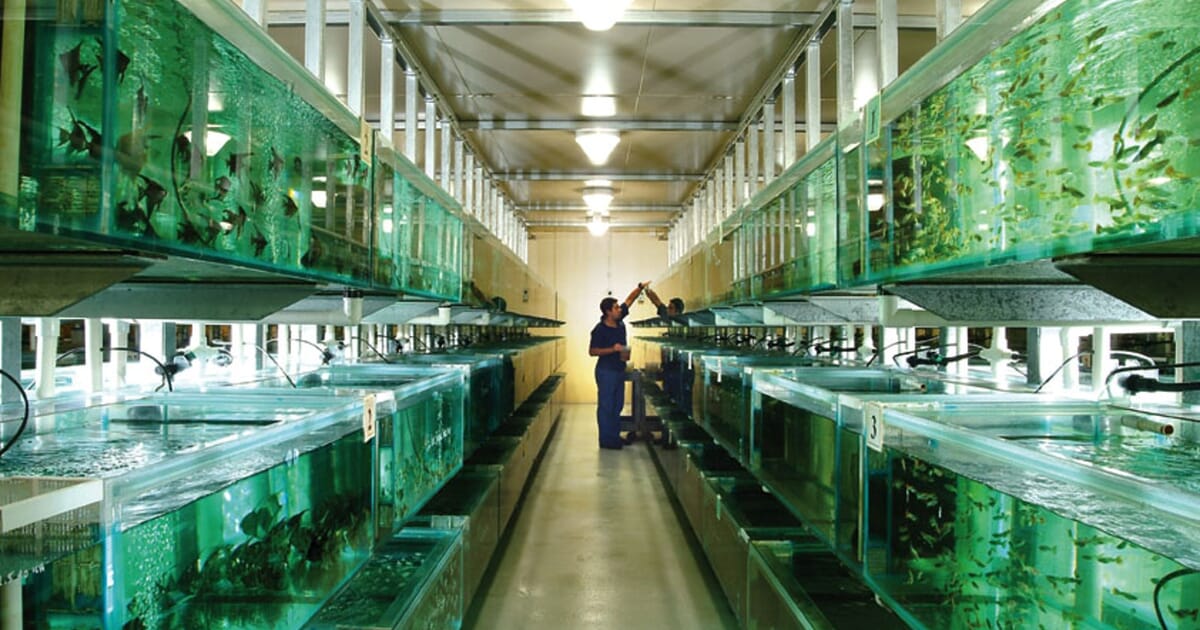
Buying from a U.S.-based breeder or importer offers:
-
Legal compliance
-
Reduced stress on fish
-
Shorter transport time
-
Clear accountability
-
Health-checked, quarantined stock
At PNPV Fish House, we prioritize:
-
Proper acclimation
-
Biosecurity
-
Transparency
-
Long-term fish health—not just arrival survival
Final Thoughts
Importing tropical fish can be rewarding, but it is not risk-free.
Understanding the legal framework, biological risks, and true costs is essential before making any overseas purchase.
For many hobbyists, sourcing fish already in the U.S. provides better value, lower risk, and greater peace of mind.
About PNPV Fish House
PNPV Fish House specializes in premium tropical ornamental fish for U.S. hobbyists, with a strong focus on health, genetics, and responsible sourcing.
📺 YouTube: https://www.youtube.com/@PNPVUS
🌐 Website: https://PNPV.US